NEWS
At the same time, the mechanism improves the overall economic performance of EU countries
The transition from free emissions allowances to the Carbon Border Adjustment Mechanism (CBAM) weakens the protection afforded to European heavy industry, whilst improving the overall economic performance of EU countries. This effect may be particularly noticeable in export-oriented sectors, notably the steel industry. This is discussed in a new report by the SNS (Studieförbundet Näringsliv och Samhälle) think tank.
As the bloc tightens its climate policy, the difference in the cost of emissions between European industries and their competitors abroad is becoming increasingly significant.
Researchers are comparing free allowances with the CBAM mechanism, which is due to be fully implemented by 2034. Free allowances offset part of the costs incurred by EU producers in relation to carbon emissions, for both domestic and export sales. CBAM requires importers to pay for carbon emissions, but does not provide support to export-oriented sectors.
Sweden is a prime example: its steel, pulp and paper, and chemical industries have relatively low carbon intensity and rely heavily on carbon-free electricity. At the same time, a significant proportion of these sectors’ output is exported outside the EU.
Despite this, modelling has shown that, with the transition to the CBAM, production losses in Sweden’s heavy industry would almost double — from 0.6% under a system of free allowances to 1.3%. These figures are calculated relative to a hypothetical scenario without climate policy.
The most significant changes relate to the steel industry: whilst steel production increased slightly under the free-quota system, it is set to fall by 1.7% once the CBAM is fully implemented.
The main reason is the lack of protection for European manufacturers in external markets. A tariff on emissions from imported goods may support manufacturers in the EU’s internal market, but it does not offset their additional costs when exporting.
According to Professor of Economics Christoph Beringer, the impact of the CBAM on industry in different countries will depend on the level of emissions from manufacturing and on the extent to which those countries’ domestic markets compete with imports of carbon-intensive products.
As regards the economic impact, the results are more favourable at the level of the Swedish economy as a whole, for example. According to the researchers’ estimates, the loss of real income resulting from climate policy falls from around 0.05% under the current system of free allowances to almost zero following the transition to the CBAM. This is due, in particular, to a change in terms of trade: Sweden’s export prices are rising relative to import prices.
A similar trend can be observed in the rest of Europe, although industry there is, on average, more carbon-intensive.
In other European countries, the loss of heavy industry output under the CBAM stands at 2.6%, compared with 1.3% under a free-allowance system. At the same time, the loss of real income for the economy as a whole falls from 0.25% – to 0.17%.
It should be noted that European industry associations representing the automotive sector have called on EU politicians to adopt a decision on a more limited and proportionate extension of the cross-border carbon adjustment mechanism to downstream products.


 CBAM May Weaken European Steel Industry Protection, Study FindsA new study finds that CBAM may weaken protection for European heavy industry, especially steel exporters, as free emissions allowances are phased out. Explore the projected impact on Swedish and EU steel output, exports and economic performance.
 Australia-China Partnership Advances Green Steel TechnologyAustralia and China have launched a joint green steel research platform to reduce emissions from pig iron and steel production. The collaboration explores blast furnace upgrades, RISB technology and new low-carbon steelmaking pathways.
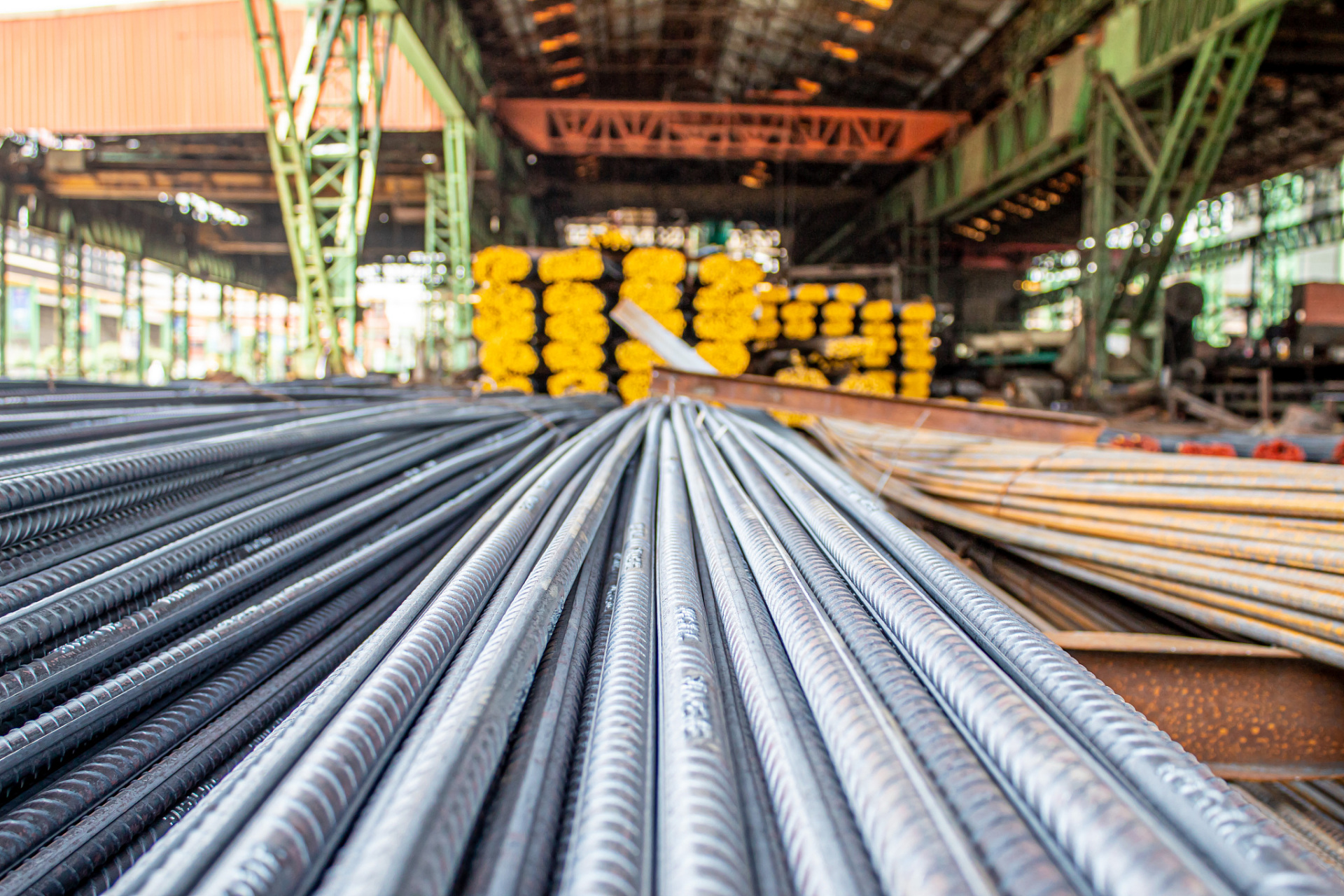
 Global Rebar Prices Set to Rise in Key Markets | Steel TrendsGlobal rebar prices are poised for growth as key markets like Turkey, Europe, the US, and China show mixed August trends. Learn about supply constraints, cost pressures, and demand shifts driving the market.
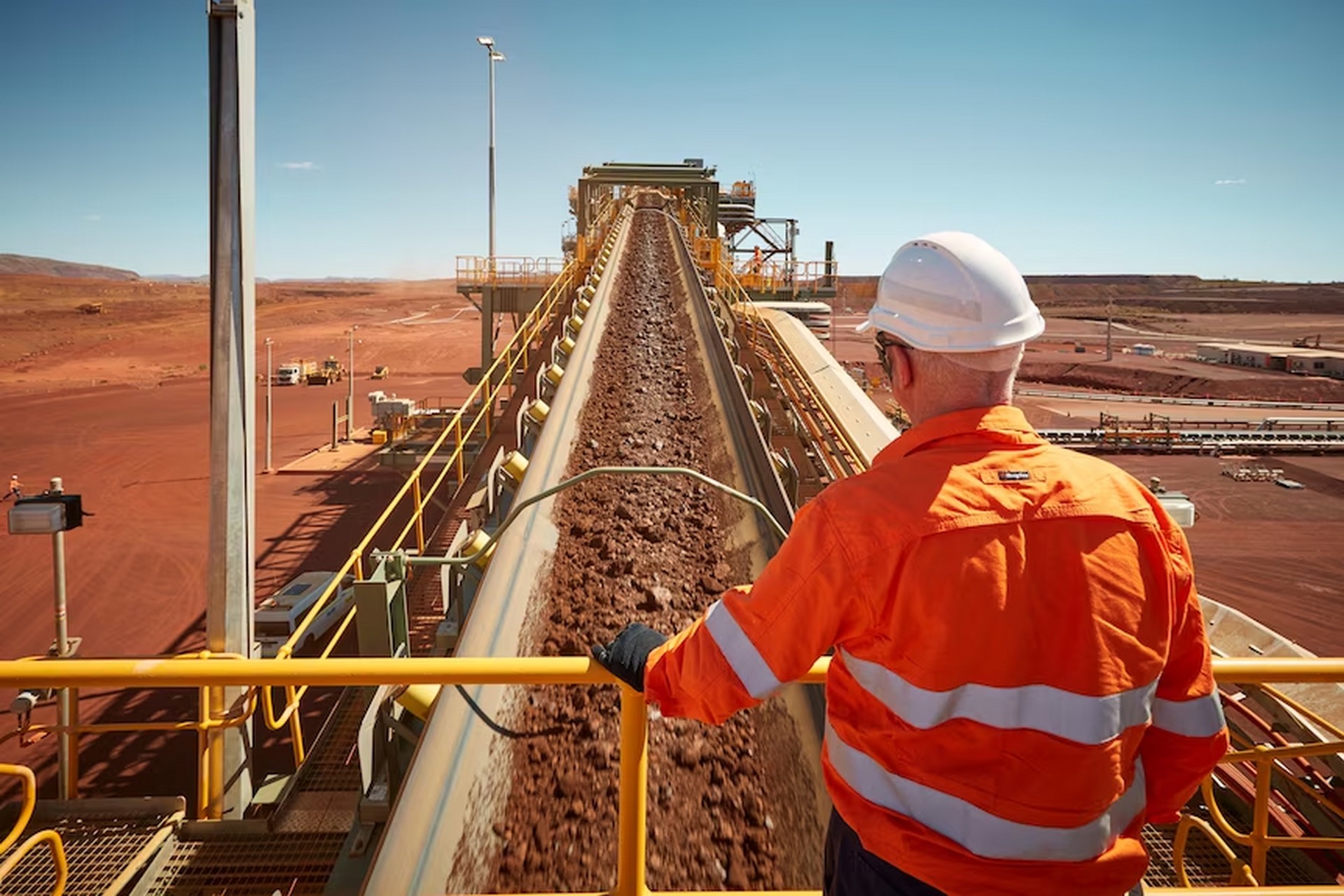
 Global iron ore exports remained stable in AugustGlobal iron ore exports held steady in August 2026, with Australia up 9.5% and Brazil flat, while South Africa declined 9.9%. Market caution persists due to China demand and coking coal price hikes.
 ArcelorMittal Raises Long Products Prices in Europe by €20/tArcelorMittal hikes long products prices in Europe by €20/tonne amid soaring energy costs — total increase now €45/t. Covers bar steel, rebar & wire rod.
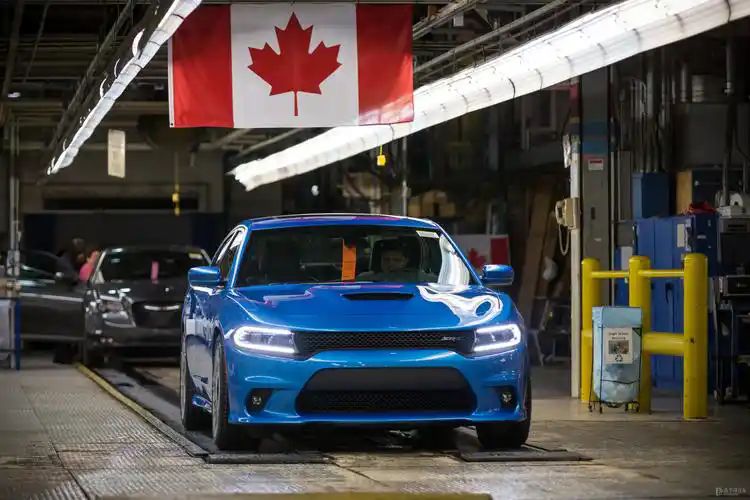
 Trump 50% Tariffs on Canadian Auto and Steel in 2027Trump announced 50% tariffs on Canadian auto and steel imports from 2027, escalating the U.S.-Canada trade war and price concerns.